
Connect with us

News

Osteoporosis drugs could reduce dementia risk, study suggests

Published

on

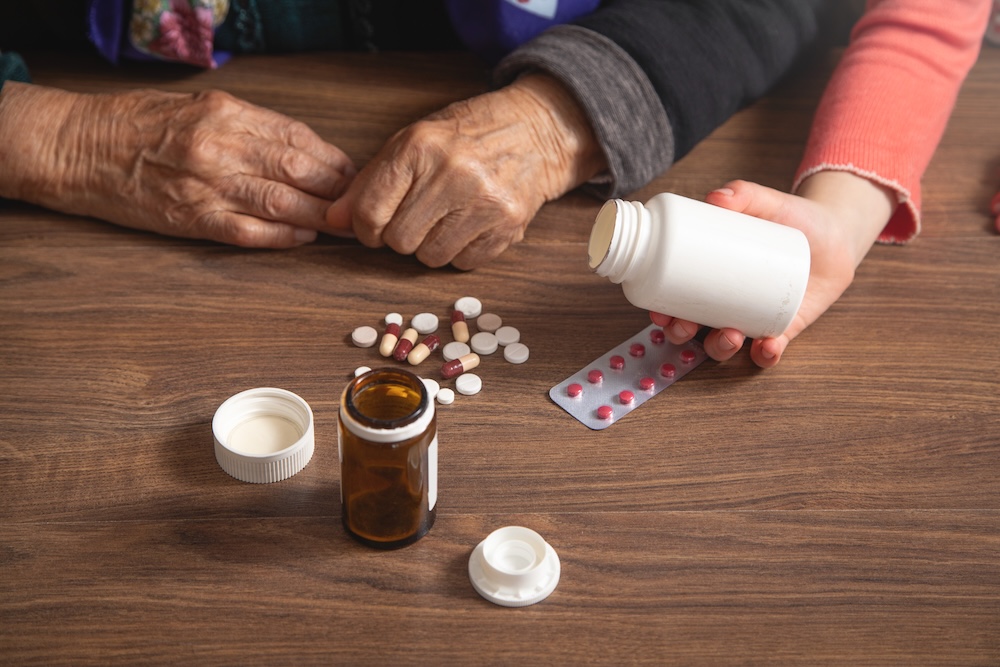
Osteoporosis drugs may lower dementia risk, with a study suggesting one widely used treatment could help prevent Alzheimer’s and related dementias.

The research found that nitrogen-containing bisphosphonates, drugs widely used to treat osteoporosis, may significantly reduce the risk of Alzheimer’s disease and related dementias in older adults with osteoporosis or fragility fractures.

Osteoporosis and dementia often coexist in older adults and share several risk factors, including advanced age, female sex and reduced physical activity.

Researchers at the University of Hong Kong’s department of pharmacology and pharmacy carried out a large study using the city’s electronic medical records, covering more than 120,000 patients aged 60 and above with osteoporosis or fragility fractures between 2005 and 2020.

The team found that NBP users had a 16 per cent lower risk of developing Alzheimer’s disease and related dementias than untreated patients, and a 24 per cent lower risk than those who received other osteoporosis medicines.

The association was especially marked in women and patients with hip fractures.

The researchers estimated that treating 48 patients with NBPs for five years could potentially prevent one case of dementia, underlining the possible public health value of NBPs in high-risk groups.

Professor Cheung Ching-lung, associate professor in the department of pharmacology and pharmacy at the University of Hong Kong, said: “Our study provides evidence that NBPs may offer dual benefits in strengthening bones and reducing fracture risk, as well as potentially preventing ADRD.

“Their potential neuroprotective role provides an empirical basis and supports future research on the actual effectiveness of this medication in preventing or delaying cognitive decline associated with ADRD.

“These findings are significant as they demonstrate a potential approach for reducing dementia risk in a vulnerable population using safe and widely available NBPs.

“In our rapidly ageing society, these findings suggest that while waiting for the novel therapies, existing medications can also provide additional protection for high-risk populations.”

The same research team has previously found that osteoporosis and fractures are independent risk factors for dementia, and that patients with dementia are at higher risk of falls and fractures.

This suggests treating osteoporosis may also help reduce the burden of dementia.

NBPs, including alendronate and zoledronate, are well established and commonly prescribed osteoporosis drugs.

Emerging biological research suggests the pathways affected by NBPs may also play a role in the development of Alzheimer’s disease and related dementias, raising the possibility that they could be repurposed for prevention.

News

Gut-friendly foods may damage heart, charity warns

Published

on

Gut-friendly foods such as kimchi and kombucha may carry hidden risks for heart health when eaten in excess, the British Heart Foundation (BHF) has warned.

The charity said foods marketed as prebiotic, probiotic or otherwise good for the gut can support the microbiome, but some may also be high in salt or sugar, which can raise the risk of cardiovascular disease.

Products highlighted by the British Heart Foundation included kimchi, kombucha, fruit yoghurts, smoothies and sauerkraut. It said there is no harm in including them as part of a healthy diet, but advised people to check labels for added salt and sugar and eat them in moderation.

Tracy Parker, the charity’s nutrition lead, said: “We encourage everyone to choose foods that can keep their gut microbiome healthy. The benefits are clear, and we are continuing to improve our understanding of how a gut-friendly diet may help our hearts.

“A lot of these products can contain high levels of salt or sugar though, so it is important to be aware of the potential drawbacks.

“By ensuring you check package labels for added salt and sugars, and eat each in moderation, you can make sure the risks do not outweigh the benefits for your heart health.”

Fermented foods such as kimchi and sauerkraut are rich in probiotics, the healthy bacteria produced during fermentation that can help support a diverse and healthy gut microbiome.

However, both are traditionally made using a lot of salt, which can raise blood pressure if eaten frequently or in large quantities. High blood pressure is known to increase the risk of heart attack and stroke.

Kombucha, a fermented tea, also contains probiotics and can be a healthier alternative to fizzy drinks, but many commercial and shop-bought versions contain added sugar.

Eating too much sugar can lead to weight gain, which can increase the risk of heart attack, stroke and other cardiovascular disease.

Fruit yoghurts can contain probiotic live bacteria cultures, but may also be high in sugar and have fewer live cultures than plain versions.

The charity said plain yoghurt with live and active cultures on the label can be a lower-sugar option, with whole fruit added at home for sweetness.

Smoothies made with whole fruits provide prebiotic fibre, which feeds beneficial gut bacteria and supports digestive health.

They can also provide vitamins and antioxidants, especially when made with a variety of plant-based ingredients.

But blending breaks down the structure of fruit, releasing free sugars that behave like added sugars in the body and can cause faster rises in blood sugar levels.

Regularly consuming too much sugar can lead to weight gain, which can increase the risk of developing type 2 diabetes, heart disease and kidney disease.

The charity said only one 150ml serving of any smoothie counts towards five-a-day, and suggested adding nuts or seeds for extra protein and fibre to help keep blood sugar levels more stable.

The BHF also noted that some shop-bought sauerkraut is pasteurised, which removes most of the live bacteria.

It advised checking the label, eating small portions and choosing unpasteurised products for those seeking the probiotic benefits.

The charity said beneficial gut bacteria produce short-chain fatty acids during digestion, which are linked to reduced inflammation, better metabolism and better heart and circulatory health.

These good bacteria also help digest polyphenols, natural plant chemicals thought to have antioxidant properties and which may help lower blood pressure.

By contrast, harmful gut bacteria, which thrive on diets high in fat and red meat, produce chemicals that can cause problems in the heart and blood vessels by increasing inflammation and altering how cholesterol is processed in the body.

Beneficial bacteria thrive on varied diets high in prebiotics, non-digestible fibres found in foods such as wholegrains, oats, beans, lentils, bananas and onions.

Continue Reading

Wellness

Diabetes patients face increased risk of undiagnosed heart failure

Published

on

People with diabetes may have undiagnosed heart failure that could be detected by a simple screening blood test, research suggests.

The TARTAN-HF trial found that one in four patients with diabetes who had at least one other risk factor for heart failure had undiagnosed heart failure detected through screening with a blood test and ultrasound scanning of the heart.

Experts said the findings show the extent of unrecognised heart failure in people with diabetes, and how the condition can be detected using a widely available blood test called NT-proBNP, which measures how much strain the heart is under.

They suggest a heart failure screening programme for diabetics could improve diagnosis rates, lead to earlier treatment and potentially reduce the risk of hospitalisation and death.

The study, involving 700 patients, was led by the University of Glasgow in collaboration with AstraZeneca, Roche Diagnostics, Us2.ai, NHS Greater Glasgow and Clyde and NHS Lanarkshire.

Dr Kieran Docherty, clinical senior lecturer at the University of Glasgow’s School of Cardiovascular and Metabolic Health, said: “Our results from the landmark TARTAN-HF trial identified heart failure in a large proportion of people living with diabetes, emphasising the need for a heart failure screening strategy in this group of patients.

“We know that many of the symptoms and signs of heart failure are non-specific, and may go unrecognised as potentially being due to heart failure for a long time.

“The strategy used in our trial is simple and easy to implement in clinical practice, and will aid in the early identification of heart failure in people with diabetes, and facilitate the initiation of medications that we know improve outcomes in patients with heart failure.”

The study, which began more than three years ago, involved more than 700 people with diabetes from the two health board areas who had at least one other risk factor for heart failure.

They were randomly assigned either to receive heart failure screening or to continue with their usual care.

Researchers found screening uncovered a large number of previously unrecognised cases of heart failure. Around one in four, or 24.9 per cent, of those screened were found to have the condition within six months, compared with 1 per cent in the group continuing their usual care.

The study, involving patients with type 1 and type 2 diabetes, found almost all of the participants found to have heart failure had preserved ejection fraction, which can be difficult to detect without dedicated testing.

The findings of the TARTAN-HF trial were presented at the American College of Cardiology conference taking place from 28 to 30 March in New Orleans in the US.

Dr Edward Piper, medical director at AstraZeneca UK, said: “Delayed diagnosis and treatment of heart failure in people with type 2 diabetes contributes to poor long-term outcomes. TARTAN-HF demonstrates that targeted, risk-based screening can identify previously undiagnosed heart failure in approximately one in four high-risk patients with diabetes, enabling earlier intervention with guideline-directed therapy.”

Dr Christian Simon, head of global medical affairs at Roche Diagnostics, said: “We are proud to have supported the landmark TARTAN-HF trial. These findings demonstrate the transformative power of early, accessible diagnostics like the NT-proBNP blood test.

“By identifying unrecognised heart failure in people with diabetes, we enable clinicians to initiate appropriate treatments sooner, ultimately improving patient outcomes and lives.”

Continue Reading

News

UK government announces £6.3m fund to boost men’s health

Published

on

The UK has launched a £6.3m men’s health fund to back local projects aimed at helping men and boys live longer, healthier lives.

The Men’s Health Community Fund is a partnership between the Department of Health and Social Care, Movember and People’s Health Trust.

The government is contributing £3m, while the two charities are more than doubling that to take the total to £6.3m.

Grants will support community projects reaching underserved men and boys aged 16 and over, particularly in the most disadvantaged areas and at key points in their lives such as becoming a father, losing a job or retiring.

Projects could include support for new fathers, activities for men facing loneliness and social isolation, services to help young men engage with the health system, and support for men in work, out of work and moving into retirement.

The programme will bring together voluntary, community and social enterprise organisations to test new ways of reaching men who are least likely to use traditional health services.

An evaluation funded through the National Institute for Health and Care Research will assess what works and help inform future policy and delivery.

Health and social care secretary Wes Streeting said: “Too many men across the country are living shorter, less healthy lives, particularly those in our most disadvantaged communities.

“This new partnership will help men get the support they need in the places they feel most comfortable, their communities, among people they trust.

“By working with expert charities and local organisations, we can reach the men who are too often missed by traditional services and help them take better care of their mental and physical health.”

“It is a key step in delivering our first ever Men’s Health Strategy and driving forward our ambition to halve the gap in healthy life expectancy between the richest and poorest areas.”

The Men’s Health Strategy sets out plans to tackle the physical and mental health challenges men and boys face.

Men can be less likely to seek help and more likely to suffer in silence, while higher rates of smoking, drinking, gambling and drug use are damaging men’s health and affecting families, workplaces and communities.

The government is also investing £3.6m over the next three years in suicide prevention projects for middle-aged men in local communities across areas of England where men are most at risk, many of which are also among the most deprived. Suicide is one of the biggest killers of men under 50, and three-quarters of all suicides are men.

The projects will aim to break down barriers middle-aged men face in seeking support, including stigma around asking for help and a lack of awareness of what is available and how to access it.

They will be co-designed with experts and men with lived experience of mental health crises and suicidal thoughts.

Continue Reading

Trending

Agetech World